
Understanding the Gap: Why Toppers Shine While Struggling Students Seek Alternatives at School

Feeling like you are falling behind in school can be frustrating and isolating. Many students who struggle often compare themselves to toppers and wonder what makes the difference. The truth is, the gap between toppers and struggling students is not about intelligence alone. It often comes down to the approach to learning, mindset, and the support system around the student. This post explores why toppers tend to excel and how struggling students can find new ways to succeed without feeling like they are "just not smart enough."

What Sets Toppers Apart
Toppers often stand out because of their consistent habits and effective learning strategies. They do not necessarily have a higher IQ but tend to:
Organize their study time efficiently, breaking down topics into manageable chunks.
Use active learning techniques such as summarizing, questioning, and teaching others.
Maintain a positive mindset that views challenges as opportunities to grow.
Seek help early when they face difficulties, whether from teachers, peers, or tutors.
Stay curious and motivated, often connecting what they learn to real-life examples.
For example, a student who struggles with math might watch tutorial videos, practice problems daily, and ask questions in class. This proactive approach helps toppers stay ahead and build confidence.
Why Struggling Students Feel Like They Are "Not Smart Enough"
Many students who find school difficult internalize their struggles as a lack of intelligence. This feeling can be overwhelming and discouraging. The problem is not their ability but often the method of learning or the environment they are in.
Traditional teaching methods may not suit every learning style.
Pressure to perform can cause anxiety, making it harder to focus.
Lack of personalized support can leave gaps in understanding.
Comparing themselves to toppers without recognizing different strengths leads to self-doubt.
Imagine a student who learns better through hands-on activities but is stuck with lectures and textbooks. This mismatch can make them feel lost, even if they have the potential to excel with the right approach.
How Different Approaches Can Change the Experience
Changing the way students learn can transform their school experience. Here are some practical alternatives that can help struggling students:
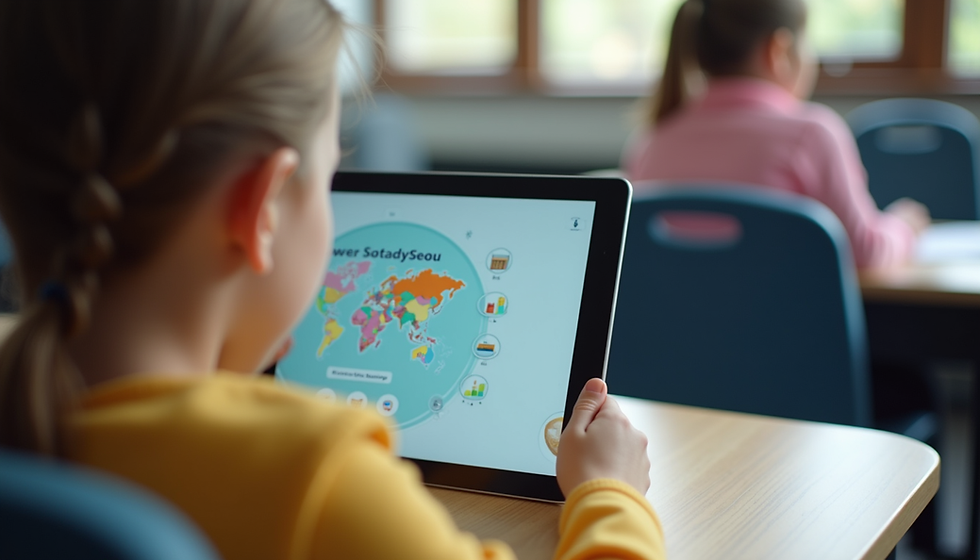
Visual learning: Using diagrams, charts, and videos to understand concepts.
Group study: Collaborating with peers to discuss and solve problems.
Real-world applications: Connecting lessons to everyday life to make them more relatable.
Breaks and mindfulness: Incorporating short breaks and relaxation techniques to reduce stress.
Personalized tutoring: Getting one-on-one help tailored to individual needs.
For instance, a student who struggles with history might create timelines or watch documentaries to better grasp events. This approach makes learning more engaging and less intimidating.

Building Confidence and Finding Support
Feeling like an "idiot" is often a sign of low confidence rather than low ability. Building self-esteem is crucial for academic success. Students can:
Celebrate small wins to stay motivated.
Talk openly about their struggles with teachers or counselors.
Join clubs or activities that boost skills and social connections.
Practice self-compassion and avoid harsh self-judgment.
Parents and educators also play a vital role by recognizing different learning styles and encouraging a growth mindset. When students feel supported, they are more willing to try new methods and persist through challenges.
Moving Forward with a New Perspective
The difference between toppers and struggling students is not fixed. With the right approach, every student can improve and feel capable. It starts with understanding that feeling stuck or "not smart enough" is often a sign that a new strategy is needed, not a lack of ability.
Students should experiment with different learning techniques, seek support, and focus on progress rather than perfection. Schools can help by offering diverse teaching methods and creating an environment where all students feel valued.
By shifting the focus from comparison to personal growth, struggling students can find their own path to success and enjoy learning again.
Comments